Each one leads with the verdict, carries one number with the source attached, and points at the pick and the fix.
What humidity should a bedroom actually be?
Between 30 and 50 percent, and the top of that range is a hard ceiling rather than a target. The EPA's humidifier fact sheet says plainly: do not humidify above 50 percent, because higher levels encourage biological growth in the room. Consumer Reports uses the same 30 to 50 band. Everything else on this page is in service of hitting that number.
30 to 50%US EPA, Use and Care of Home Humidifiers; Consumer Reports
Cool mist or warm mist, with a child or a pet in the room?
Cool mist. Consumer Reports recommends cool mist for a nursery or a child's room because a warm-mist tank holds water hot enough to scald, and the EPA tells you to keep steam vaporizers out of the reach of children. Warm mist is a reasonable choice for an adult bedroom that runs cold, and nothing else.
Cool mist in a child's roomConsumer Reports, reported via WPVI; US EPA
How loud is a humidifier at night, really?
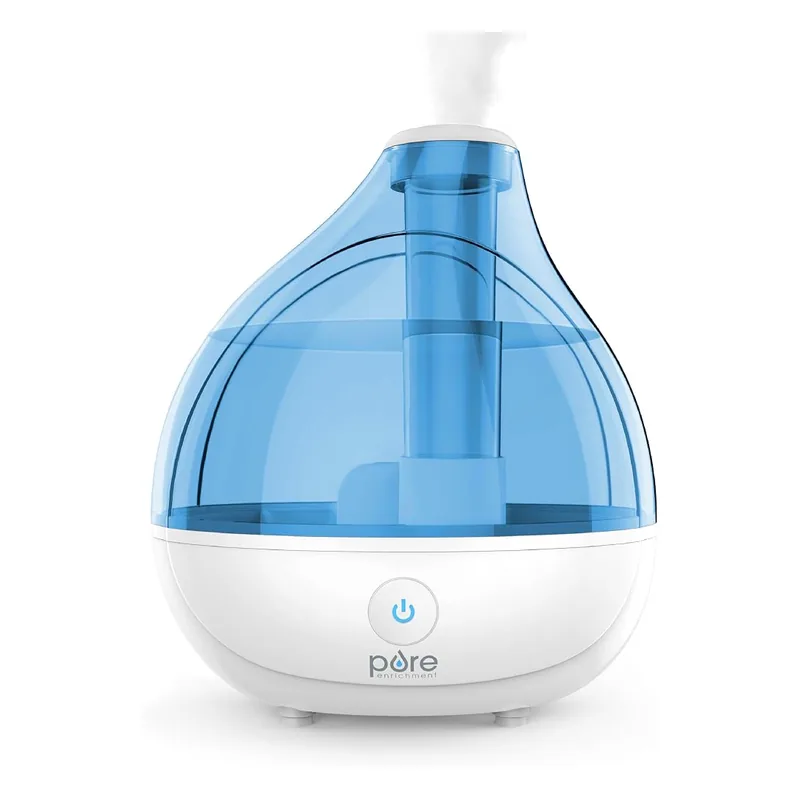
Two different kinds of noise. Ultrasonic machines are near-silent with an occasional gurgle, and the makers quote 25 to 28 dB in sleep mode. Evaporative machines have a fan, which reviewers describe as low-level white noise. The decibel figures in the table below all come from the makers; the only noise verdict we have from someone who slept next to the thing is CNN Underscored's, on the MistAire.
19 to 28 dB claimedMaker specs; CNN Underscored for the MistAire
How often do I really have to clean it?
Every third day, with the tank emptied and wiped every day it is in use. That is not a brand's upsell, it is the EPA's recommendation, and the reason is that standing water grows microorganisms and ultrasonic units are efficient at spraying them into the room. Empty, scrub off any film or scale, wipe dry, refill.
Every third dayUS EPA, Use and Care of Home Humidifiers
What is the white dust, and how do I stop it?
It is the dissolved minerals from your tap water, dried onto your furniture. The EPA's fact sheet says several studies have shown ultrasonic and impeller humidifiers disperse minerals from the tank into the air. You have three fixes: distilled water, a demineralization cartridge, or an evaporative humidifier, which leaves the minerals in its wick.
Ultrasonic and impeller units disperse mineralsUS EPA, Use and Care of Home Humidifiers
How big a humidifier does my bedroom need?
Match the machine to the room, which is the first thing Consumer Reports' humidifier testing lead says in their buying advice, and resist the temptation to oversize. A machine built for 600 square feet in a 120-square-foot bedroom with the door shut will push you past 50 percent and start condensing on the window. The calculator below turns your floor area into a tank size and an output band.
Match the unit to the roomSamantha Ostrander, Consumer Reports
Will the tank last all night, and how annoying is refilling?
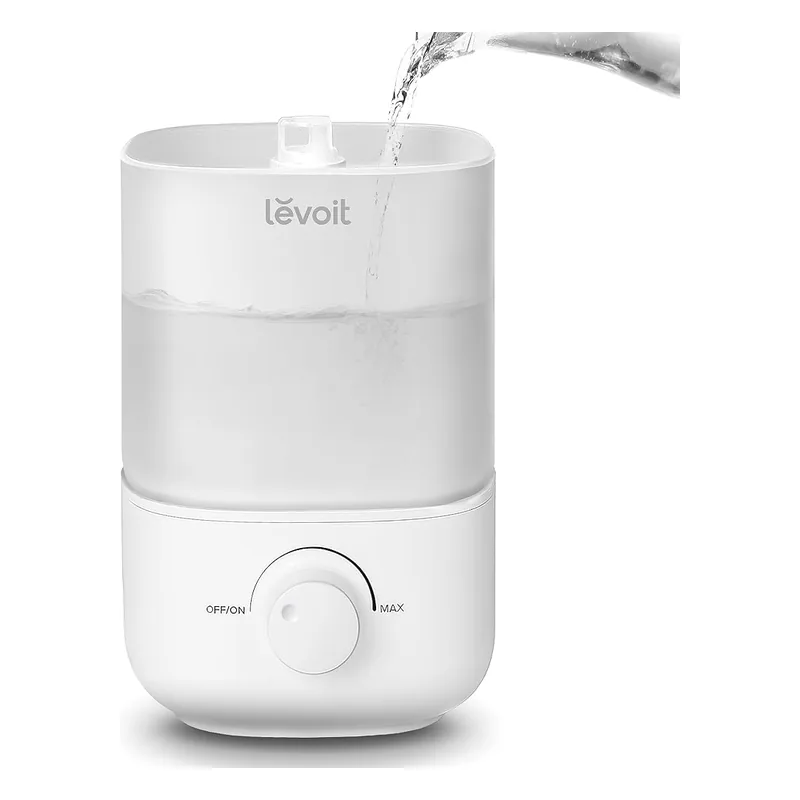
Any tank of 3 liters or more will run a night at a low setting; the claimed runtimes here range from 20 to 100 hours. The thing that actually decides whether you keep using it is how you fill it. Top-fill models take a jug at the bedside. Bottom-fill models mean carrying a full tank upside down to a sink, which is how humidifiers end up in cupboards in January.
Up to 25 to 80 h claimedMaker specs in our October listing data
Does it know when to stop, or will it soak the room?
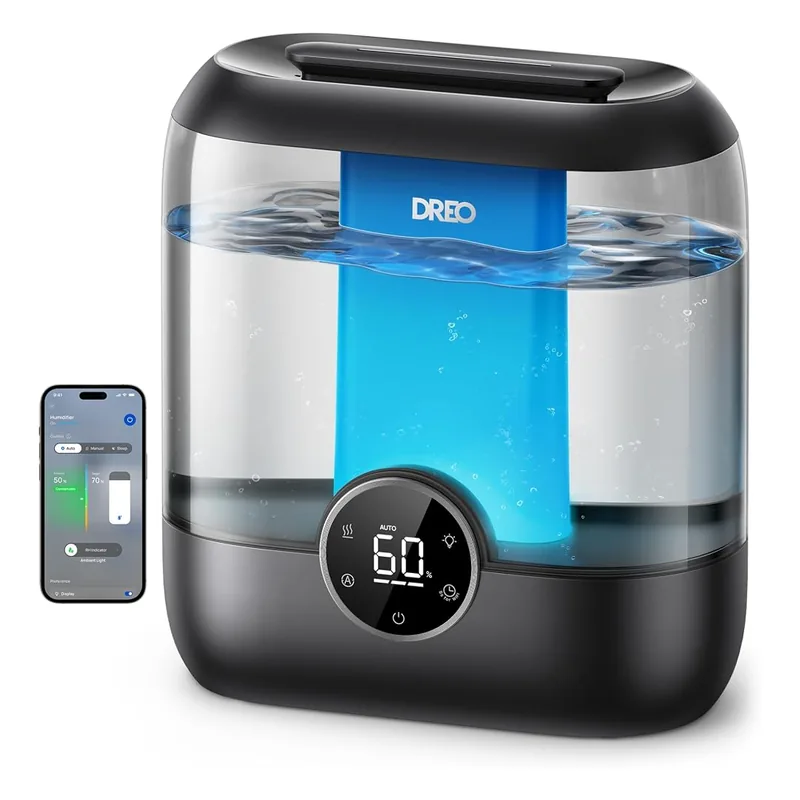
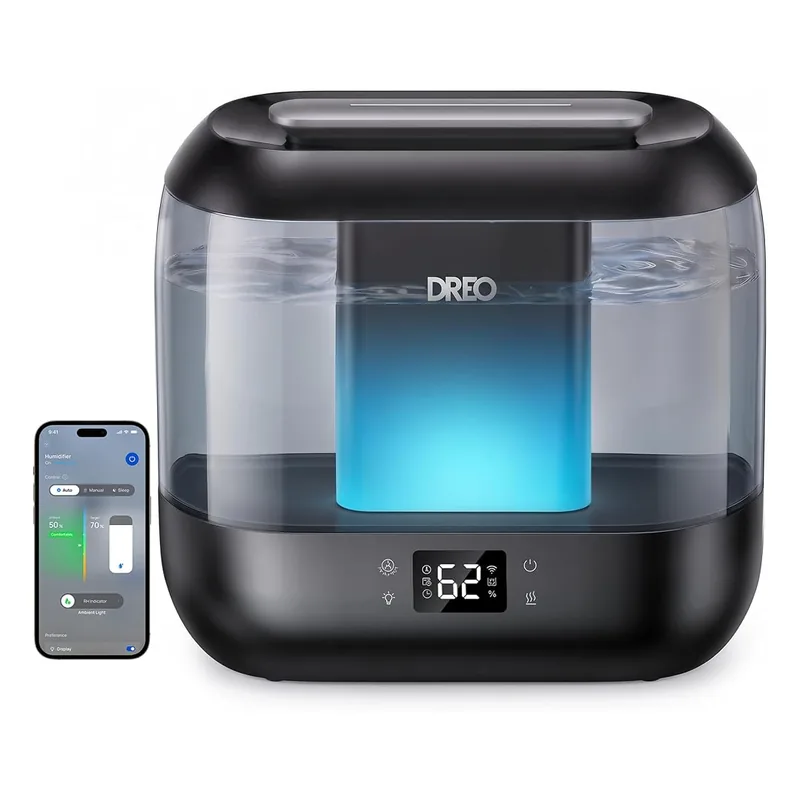
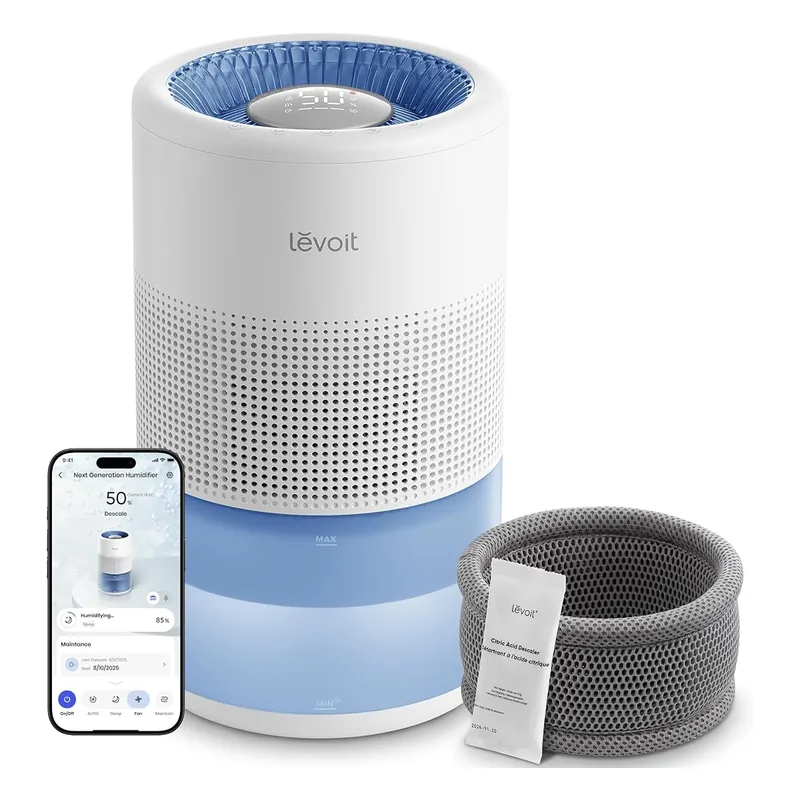
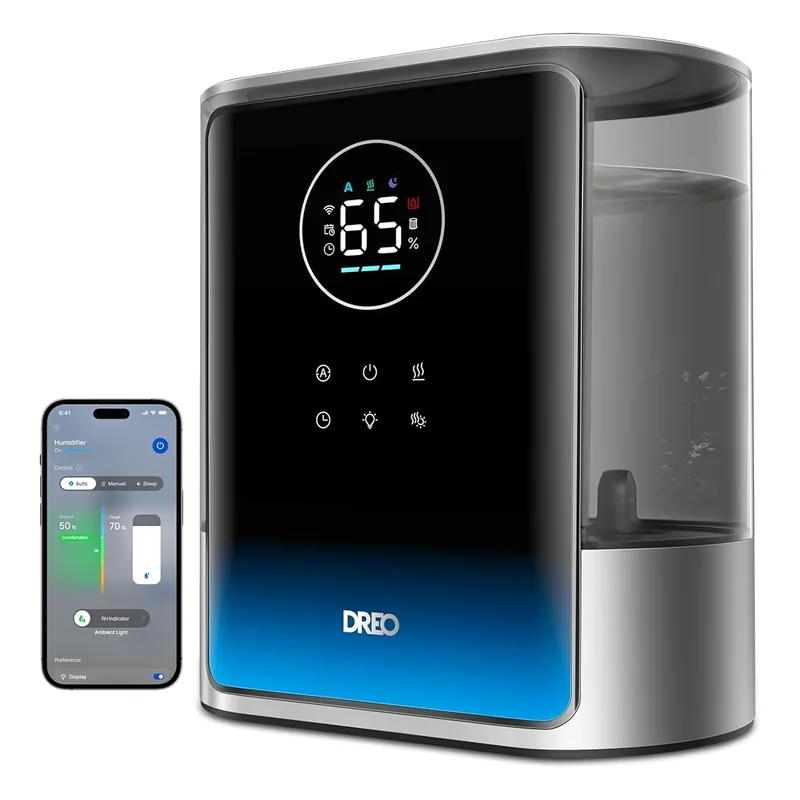
There are three levels. A humidistat with auto mode measures the room and stops at your target; Consumer Reports measures humidistat accuracy and gave the Dreo HM524S top marks for it. An auto shut-off only protects the machine when the tank runs dry. And the cheapest units have neither, which in a sealed bedroom is how you wake up to wet windows.
Three levels: humidistat, shut-off, neitherConsumer Reports; maker specs
Will the display light up the room all night?
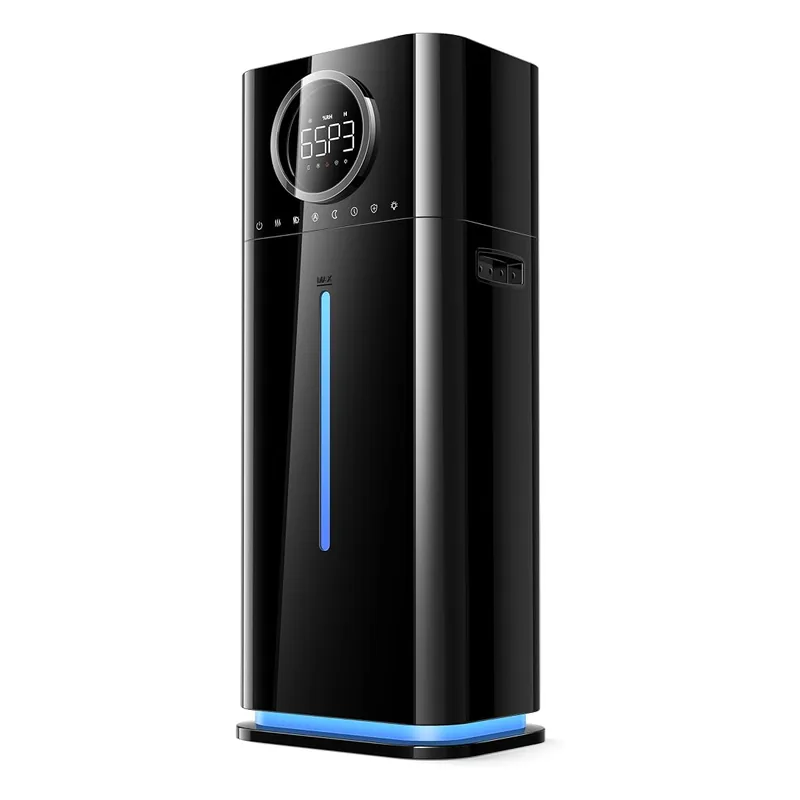
On the good ones, no. Dreo and Levoit both state that the display and the ambient light can be switched off, and one budget listing in our data turns its indicators off after ten seconds of inactivity. We have read these claims, not slept beside them, so this is the one row in the spec panel we label as the maker's word.
Display off: stated on 6 of our 10 picksMaker specs in our October listing data
Can I put essential oils in a humidifier?
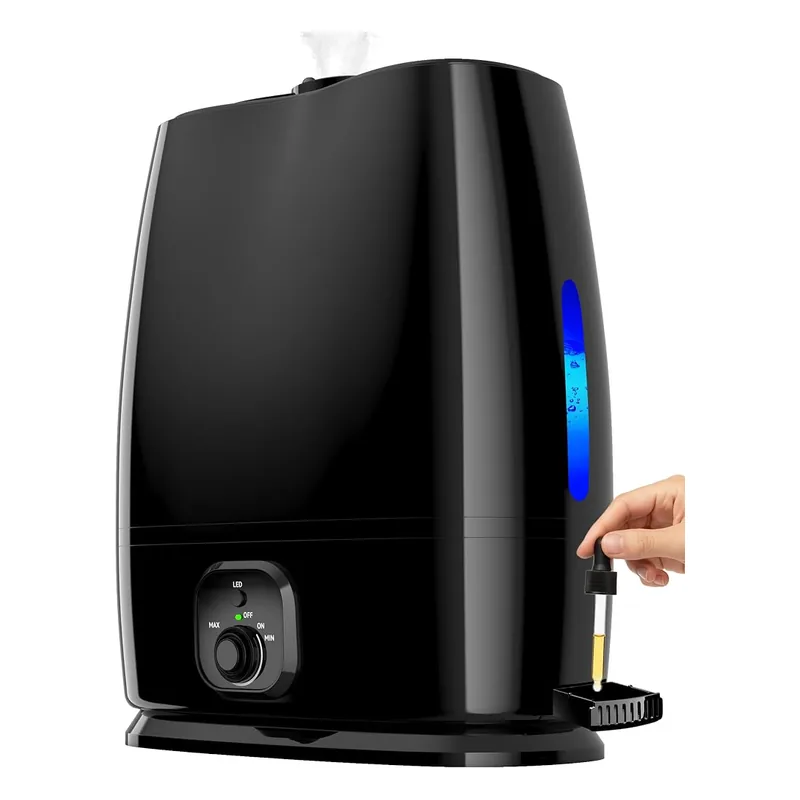
Only in a tray built for them, never in the water tank, unless the maker explicitly says otherwise. Oils attack the plastics and the ultrasonic disc, and that is how a tank crazes and starts leaking. Several listings in our data say it outright: oils in the side tray only. If aromatherapy is the actual goal, a separate diffuser is a better machine for it.
Tray only, not the tankMaker instructions across our October listing data
Filters, cartridges, wicks: what is the yearly cost?
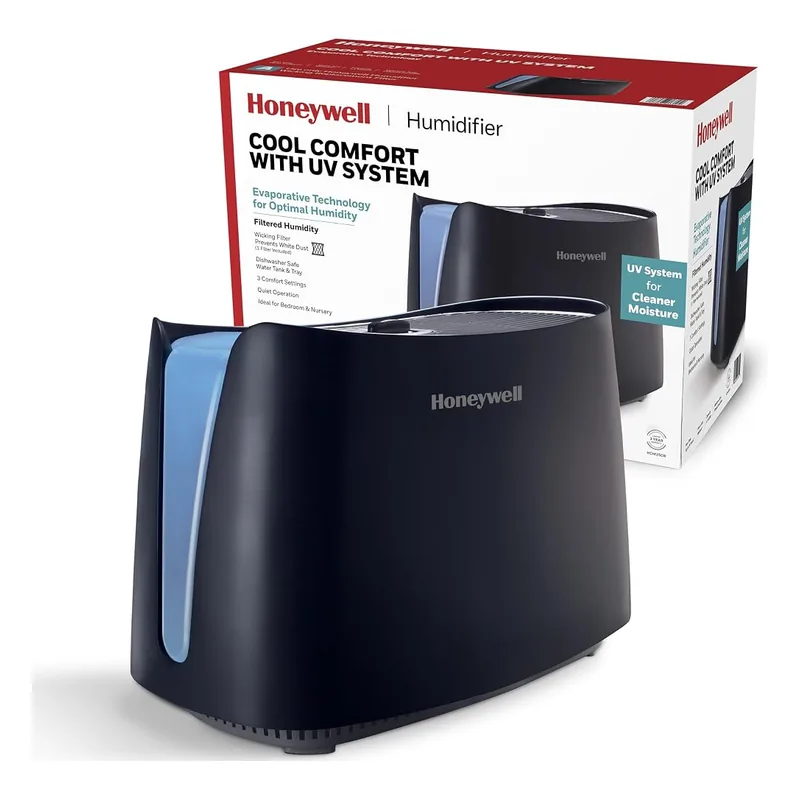
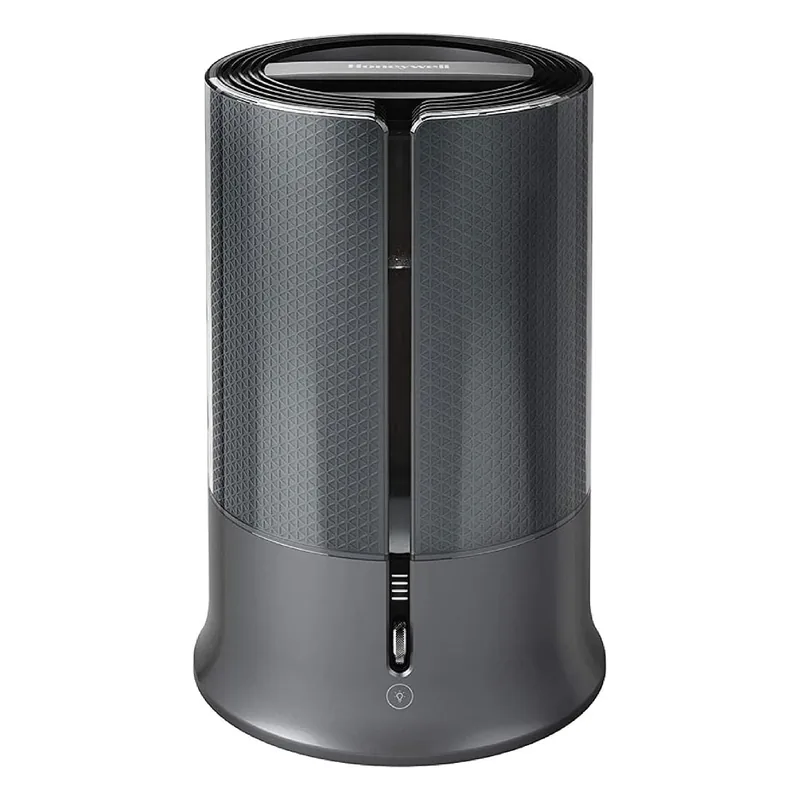
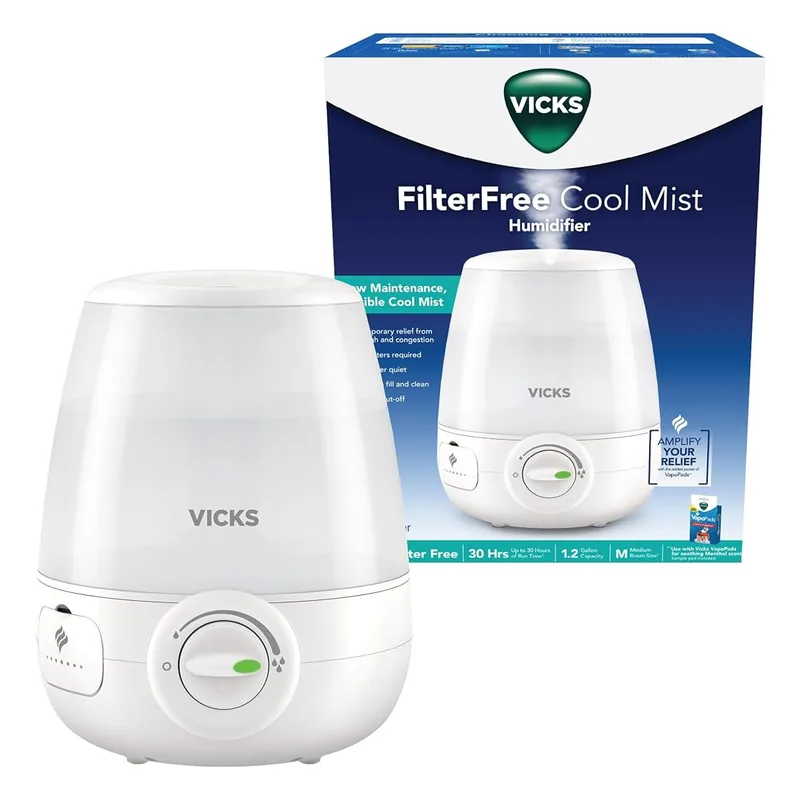
Filter-free ultrasonic machines cost nothing to run except electricity and, if your water is hard, distilled water. Evaporative machines need a wick, and the letter matters: Honeywell's filters are A, C, D, E and T and they are not interchangeable. Consumer Reports' stated reason for recommending the Honeywell HUL430B is that it has no wick, cartridge or filter to replace at all.
$0 to about $40 a yearConsumer Reports; maker parts listings
My bedroom feels damp. Do I need a dehumidifier instead?
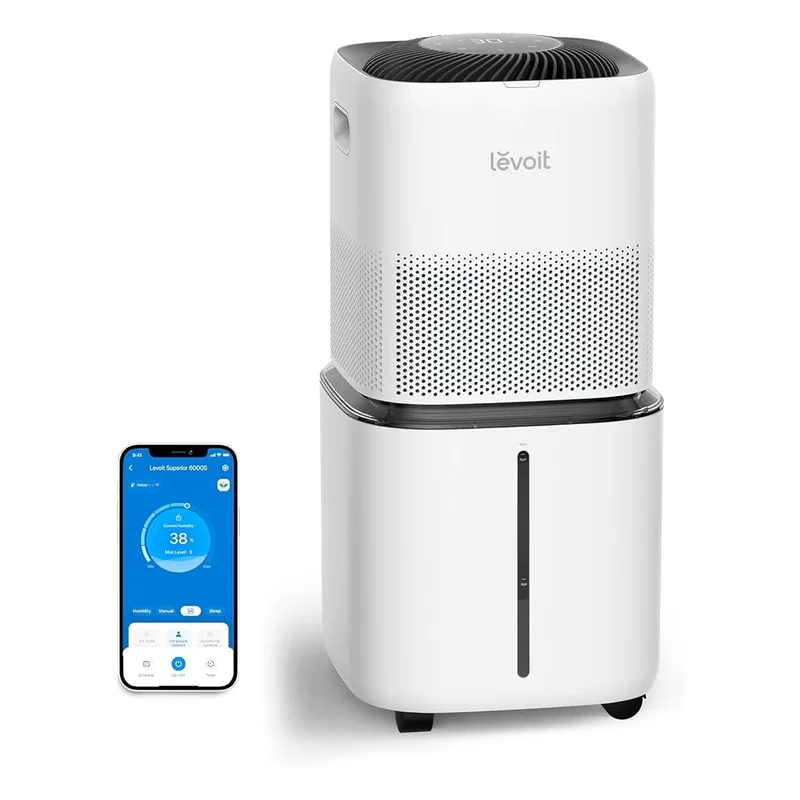
Check before you buy either. If your hygrometer sits above 60 percent, you want moisture out, not in, and a humidifier will make the problem worse. The CDC's mold guidance is to keep household humidity as low as you can and no higher than 50 percent. Both appliances are cheap next to a mold problem in a wardrobe.
Above 60%: buy the other applianceCDC mold guidance; US EPA